“natural enemies” search results (300)
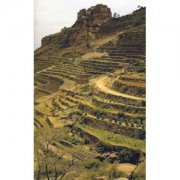
Yemeni coffee has long been famous.
Yemeni coffee, which is an important part of Yemeni culture, attracted the attention of businessmen at the international tourism exhibition held in Berlin, Germany, the Yemeni national newspaper reported recently.
2014-05-27 Coffee culture coffee knowledge Yemeni coffee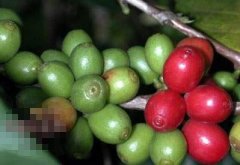
Three native species of coffee
There are about 40 species of coffee, but only one of them can produce coffee beans of commercial value. Arabica, Robusta and Liberia are called the "three native species of coffee".
2014-06-09 Coffee knowledge coffee varieties coffee encyclopedia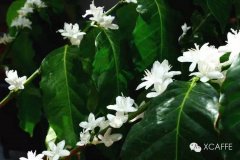
Arabica raw beans Ethiopia coffee beans
1. The origin of the Arabica species (scientific name Coffea arabica) is the Abyssinia Plateau of Ethiopia (present-day Ethiopian plateau). In the early days, it was mainly eaten as medicine, developed the habit of baking and drinking in the 13th century, was introduced into Europe through the Arab region in the 16th century, and became a favorite drink all over the world. Of all the coffee
2016-05-06 Rabbi native Yesso Biya coffee beans
Introduction to the roasting method of coffee roasting grade
Baking grade. Most professional coffee roasters don't use words like bright, medium, or dark to describe roasting grades. They describe them as exaggerated synaesthesia, such as earthy or chocolate-colored coffee beans. If you don't see a word for flavor, it's likely that the coffee bean baker is unprofessional. This is by no means a good sign. Cup or cup?
2016-06-13 Coffee roasting grading method introduction most professional coffee
20 magic ways to use coffee grounds, from cooking to formaldehyde absorption, the most complete use of coffee grounds
1. Plant fertilizer spray mix half a cup of coffee grounds with warm water, put it in a spray can and spray it directly on the plant every day. 2 change the color of hydrangea flowers will change according to the acidity and alkalinity of the soil. Sprinkle coffee grounds on the soil and water them. This will make the soil PH value acidic, and the hydrangea flowers will change from pink to blue. (there is a kind of hydrangea at home.
2016-08-05 20 kinds coffee ingenious use method cooking formaldehyde most complete use plant fertilizer
Coffee basic knowledge three native species of coffee
There are about 40 species of coffee plants, but only one can produce coffee beans of commercial value. Arabica, Robusta and Liberia are known as the three major native species of coffee: Arabica species are native to the Ethiopian plateau. Arabica coffee accounts for 75%, 80% of all coffee varieties, and its excellent flavor and aroma make it these.
2015-04-22 Coffee basics common sense three original
20 magic ways to use coffee grounds, from cooking to formaldehyde absorption
More than half of Americans in coffee culture drink more than 1.8 cups of coffee a day! If you are a coffee drinker, if you make coffee every day, do not directly pour out the coffee grounds after brewing coffee, because such easy-to-use coffee grounds can absorb formaldehyde, cook and grow flowers, and you will regret it after you pour it out! Tip: some uses require dry coffee
2016-09-07 20 kinds coffee magic use methods cooking formaldehyde coffee culture more than half
What are Arabica coffee beans with high-quality aroma and sour taste
What are Arabica coffee beans? It is also one of the coffee beans, but it is also an important kind of commercial coffee, and its most obvious feature is its high-quality aroma and sour taste. Secondly, Arabica coffee beans are mainly produced in South America (except parts of Argentina and Brazil), Central America and Africa (Kenya, Ethiopia and other places, mainly East African countries).
2015-11-02 Rabbi coffee beans what is with quality aroma sour taste rabbi
Boutique coffee, civet coffee, coffee with unique flavor.
This coffee comes from the excrement of an animal called civet (commonly known as civet in Indonesia). Although it comes from smelly poop, it is full of sweetness and a burst of indescribable sweetness. This kind of wild musk cat likes to eat fat and pulpy coffee fruit, but the hard hard nut (raw bean) cannot be digested and is excreted with feces and cleaned.
2015-12-01 Boutique coffee musk flavor unique this from a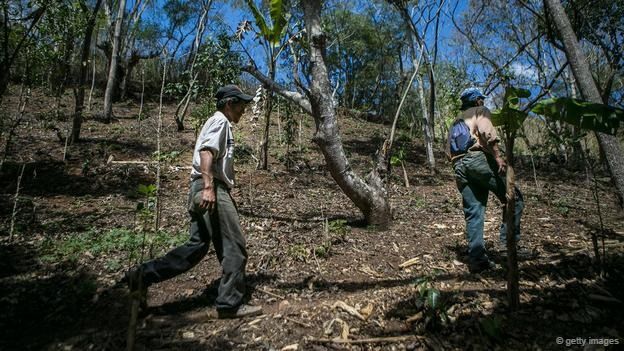
Coffee crisis: mankind's favorite drink is coming to an end?
While sipping lattes and espressos and reading newspaper headlines, we don't seem to feel much threat from climate change. Yet travel thousands of miles to the origin of this refreshing drink and you get a real sense of how real the threat of climate change is. Recently, from the University of California Santa Barbara (University of Californ)
2015-08-31 coffee crisis human love drink towards doomsday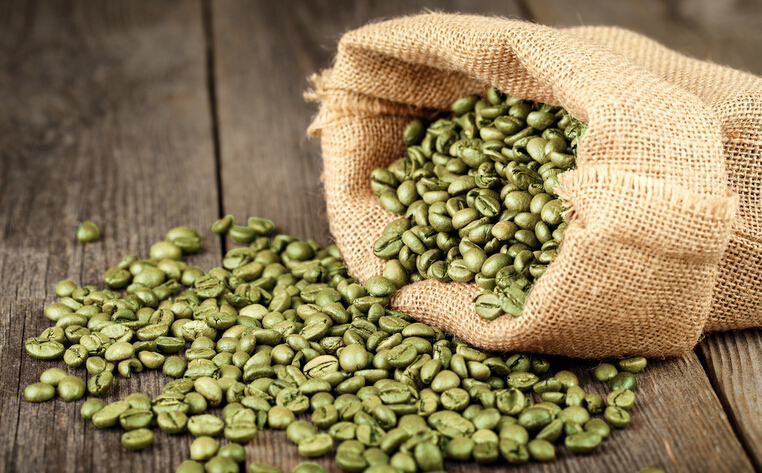
What are Arabica coffee beans?
What is Arabica coffee beans? Arabica coffee beans are also one of the coffee beans, but account for 70% and 80% of coffee bean production. It can be seen that Arabica coffee beans are the main source of raw materials for coffee. So what is Arakabi? What kind of nutrition does it have? What's the use? How does it make coffee? What if you eat expired Arabica coffee beans?
2016-03-22 Rabbi coffee beans what is what is a rabbi belongs to among them
Boutique Coffee explains in detail the three native species of coffee
There are about 40 species of coffee plants, but only one can produce coffee beans of commercial value. Arabica, Robusta and Liberia are known as the three major native species of coffee: Arabica species are native to the Ethiopian plateau. Arabica coffee accounts for 75%, 80% of all coffee varieties, and its excellent flavor and aroma make it these.
2014-11-08 Coffee knowledge boutique coffee science coffee varieties
World Coffee Manor: introduction of Aiwei Coffee-Rainforest Organic Coffee Certification Manor
First, ivycoffee Coffee contract Manor is the earliest and only organic coffee farm certified by the International Rainforest Union in China. The strictest agricultural product certification standards of the European Union ensure that every coffeebean of Aiwei Coffee can deliver the best coffee flavor to our customers! Figure 1: 90% of the raw beans of Aiwei Coffee come from coffee contracts certified by the International Rainforest Alliance.
2015-12-14 World Coffee Manor Aiwei Rainforest Organic Certification introduction
Roasting and preservation of coffee beans
There are many ways to roast coffee. I'll say a relatively simple one. Before the coffee is roasted, the coffee should be treated by natural method or washing method, and then the coffee can be roasted. First, it is baked in a large rotating barrel. After 5 to 7 minutes of intense heat, the water in the coffee beans gradually evaporates. At this point, the coffee beans began to change.
2016-06-07 Coffee beans roasting preservation coffee there are many many ways that is to say one.
Introduction to boutique coffee-- Arabica coffee bean Arabica coffee bean flavor Arabica
What is Arabica coffee beans? Arabica coffee beans are also one of the coffee beans, but account for 70% and 80% of coffee bean production. It can be seen that Arabica coffee beans are the main source of raw materials for coffee. So what is Arakabi? What kind of nutrition does it have? What's the use? How does it make coffee? What if I eat expired Arabica coffee beans?
2016-03-30 Boutique coffee introduction rabbi coffee beans flavor what is it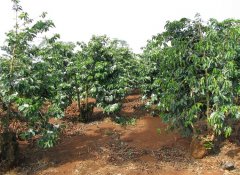
Specialty coffee is essentially fair trade, not futures.
Coffee is essentially a fair trade, not as a futures. For example, in May 2006, the Manor La Esmelada Geisha coffee, the Panamanian coffee set $50.25 per pound recorded at online auction (the award-winning coffee retails for more than $100 a pound). But Panama is only a coffee-growing country. Not only in third World countries but also in developed countries such as the University of Australia
2015-09-09 Specialty coffee essentially fair trade no futures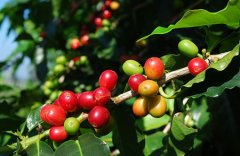
Arabica Fine Coffee beans Arabica Coffee beans taste Arabica Coffee beans Special
What is Arabica coffee beans? Arabica coffee beans are also one of the coffee beans, but account for 70% and 80% of coffee bean production. It can be seen that Arabica coffee beans are the main source of raw materials for coffee. So what is Arakabi? What kind of nutrition does it have? What's the use? How does it make coffee? What if I eat expired Arabica coffee beans?
2016-03-25 Rabbi boutique coffee beans introduction taste rabbi what is it belongs to
Sun-treated Civet Coffee Grind Taste Variety Features Fine Coffee Introduction
In the coffee industry, cat poop coffee is widely regarded as a novelty product. The Specialty Coffee Association of America (SCAA) says the industry consensus is that it tastes bad. SCAA quotes a coffee expert as saying: Obviously, cat poop coffee sells because of its story rather than its quality. Adoption of SCAA
2016-10-07 sun treatment musk coffee grind taste variety characteristics origin fine
Coffee blending and coffee roasting Italian coffee blending cappuccino coffee Italian blending
Coffee starts with origin and taste, and, of course, can't do without variety, because at first people only consume coffee grown in nearby areas. However, with the development of trade, the types of coffee are gradually mixed. Today, although good coffee from a single variety or origin can be directly cited, coffee is essentially a mixed drink, like champagne or some wine.
2016-06-23 Talking about coffee blending baking Italian style Cabo Chino coffee origin taste
The three primary species of Ethiopian coffee
About 65% of coffee circulating in the world market is Arabica: according to ICO (International Coffee Organization) statistics, excluding the domestic transactions of coffee producing countries, about 65% of coffee circulating in the world market is Arabica and 35% is Robusta. Arabica is characterized by elongated and flattened particles, and Robusta coffee beans are rounded. But if you add a
2016-09-20 Ethiopia Coffee Big Three Origin Region Flavor Taste Introduction